- Understanding Accessibility
- Why Accessibility Matters
- Current Accessibility Challenges
- acessibilidade-key-solutions”>Perto Acessibilidade: Key Solutions
- Smart Mobility Solutions
- Integrated Public Transport Systems
- Ramps and Elevators
- Digital Accessibility
- Websites and Applications
- E-Learning Platforms
- Assisted Living Technologies
- Smart Home Devices
- Adaptive Furniture Solutions
- Community Engagement Initiatives
- Workshops and Seminars
- Partnerships with Local Governments
- The Importance of Inclusive Design
- Principles of Inclusive Design
- Case Studies: Impact of Perto Acessibilidade
- Case Study 1: Urban Transit Revitalization
- Case Study 2: The Help-At-Home Initiative
- Case Study 3: School Partnerships for E-Learning
- The Future of Accessibility: Trends and Innovations
- Artificial Intelligence (AI)
- Augmented Reality (AR) and Virtual Reality (VR)
- Blockchain for Identity Verification
- Conclusion: Embracing a Future of Accessibility
Perto Acessibilidade: Must-Have Solutions for Effortless Access
In a world that thrives on inclusivity and accessibility, Perto Acessibilidade stands out as a beacon of innovation, providing essential solutions that facilitate effortless access for everyone. The importance of making public spaces, transportation, and digital platforms accessible cannot be underestimated. This guide explores various must-have solutions that Perto Acessibilidade has to offer, focusing on how these innovations enhance everyday experiences, support individuals with varying needs, and foster a more inclusive society.
Understanding Accessibility
Before delving into the solutions offered, it’s crucial to understand what accessibility really means. Accessibility refers to the design of products, devices, services, or environments for people with disabilities. The idea is to create a landscape where people can interact with their surroundings without encountering barriers.
Why Accessibility Matters
Accessibility matters not just for those with disabilities but for society as a whole. When environments are accessible:
– Individuals can participate actively in their communities.
– Economic benefits arise as more people can engage in the workforce.
– Social equity is promoted, leading to a more inclusive society.
Current Accessibility Challenges
Despite advancements, challenges persist:
– Physical Barriers: Many buildings lack ramps or elevators, making them difficult to navigate.
– Digital Divide: Websites and applications are often not designed with accessibility in mind.
– Transportation Issues: Public transport systems can be challenging for people with mobility impairments or sensory disabilities.
Perto Acessibilidade: Key Solutions
Now that we have a foundational understanding, let’s explore some of the significant offerings from Perto Acessibilidade that make accessing various environments a more manageable and pleasurable experience.
Smart Mobility Solutions
Integrated Public Transport Systems
Public transportation is often a lifeline for individuals with disabilities. Perto Acessibilidade is pioneering smart mobility solutions to ensure public transport is accessible for all. These solutions include:
– Real-time Accessibility Information: Mobile applications and digital displays that provide real-time updates about accessible services within public transport systems.
– Barrier-Free Routes: Mapping technology that highlights the most accessible routes for transit users with disabilities, ensuring they can navigate effectively and independently.
Ramps and Elevators
Integrated ramps and elevators are a must-have for public facilities. Perto Acessibilidade designs and installs these systems to meet regulatory standards while ensuring a seamless user experience.
Digital Accessibility
Websites and Applications
In our digital age, Perto Acessibilidade emphasizes the importance of digital inclusivity. Here are some of their offerings in this area:
– Web Accessibility Audits: Comprehensive evaluations of websites for accessibility, focusing on compliance with the Web Content Accessibility Guidelines (WCAG).
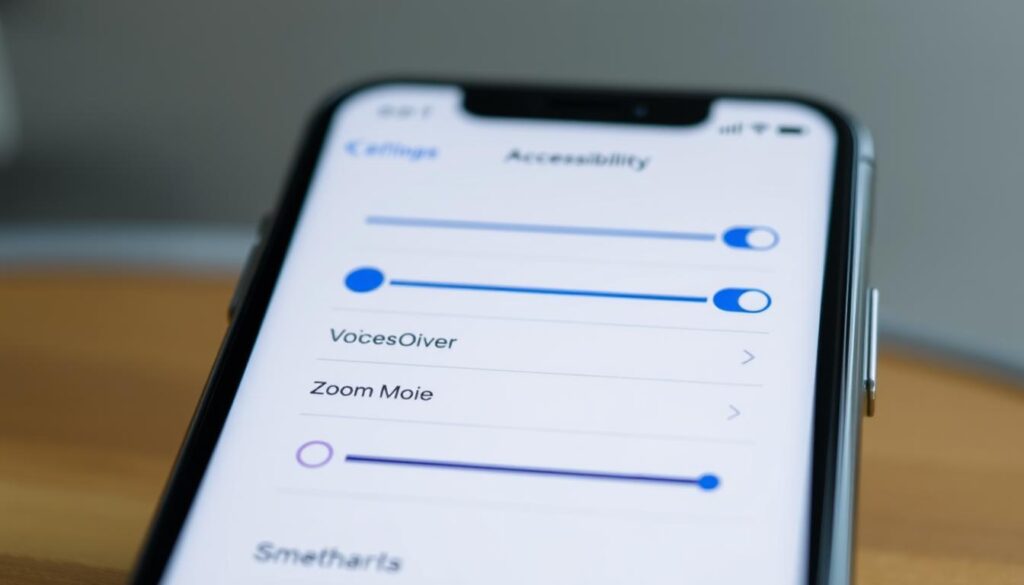
– User-Friendly Interface Design: Services aimed at enhancing the usability of mobile apps and websites for people with disabilities, such as voice commands, screen readers, and keyboard navigation.
E-Learning Platforms
Education is another critical area where accessibility can make a significant impact. Perto Acessibilidade’s efforts in creating inclusive e-learning solutions include:
– Accessible Course Materials: Ensuring that online courses accommodate various learning styles and disabilities.
– Interactive Learning Tools: Technology that allows for personalized learning experiences, including adaptive learning software.
Assisted Living Technologies
For individuals who require assistance within their homes, Perto Acessibilidade offers a plethora of solutions aimed at enhancing quality of life:
Smart Home Devices
– Voice-Controlled Systems: Technology that allows individuals to control lights, appliances, and security through voice commands, reducing physical strain.
– Wearable Devices: Health monitoring systems that provide real-time feedback and alerts for both users and caregivers, ensuring comprehensive support.
Adaptive Furniture Solutions
Beyond technology, Perto Acessibilidade also innovates in adaptive furniture design—creating seating, tables, and other furniture that cater to various needs, making living spaces more functional.
Community Engagement Initiatives
Creating awareness about the importance of accessibility is essential. Perto Acessibilidade engages in community outreach programs designed to educate and enable individuals to advocate for their own needs.
Workshops and Seminars
Through interactive workshops, Perto Acessibilidade provides thorough training and resources on accessibility, enabling participants to understand their rights and the tools available to them.
Partnerships with Local Governments
By collaborating with local governments, Perto Acessibilidade helps to implement city-wide accessibility initiatives, from retrofitting buildings to optimizing public spaces.
The Importance of Inclusive Design
Inclusive design is at the heart of Perto Acessibilidade’s mission. It involves creating products and services that are usable by as many people as possible, regardless of age, ability, or status.
Principles of Inclusive Design
1. Emphasize user need: Products should be designed with the end-user in mind, ensuring real-world testing with diverse populations.
2. Adaptability: Solutions should be flexible enough to cater to individual user preferences and requirements.
3. Ease of Use: User interfaces must be intuitive and simple, allowing for easy comprehension and interaction.
Case Studies: Impact of Perto Acessibilidade
To better understand the effectiveness of Perto Acessibilidade’s solutions, let’s explore a few case studies exemplifying their impact.
Case Study 1: Urban Transit Revitalization
In a city facing criticism for its outdated public transport system, Perto Acessibilidade partnered with local authorities to overhaul accessibility features. The integration of real-time information systems and enhanced public awareness campaigns resulted in a 30% increase in ridership among disabled individuals over just one year.
Case Study 2: The Help-At-Home Initiative
In response to increasing requests for assisted living technologies, Perto Acessibilidade launched the Help-At-Home initiative. This program enabled families to access smart home technologies and resources, resulting in improved quality of life for users while reducing caregiver strain.
Case Study 3: School Partnerships for E-Learning
Perto Acessibilidade collaborated with several educational institutions to redesign their online learning platforms. This resulted in a spike in enrollment and retention rates among students with disabilities, demonstrating the transformative power of inclusive digital solutions.
The Future of Accessibility: Trends and Innovations
As technology continues to evolve, so too do the opportunities for enhanced accessibility. Here are some key trends and innovations on the horizon:
Artificial Intelligence (AI)
AI technology is playing a crucial role in improving accessibility. From real-time language translation in voice recognition systems to AI applications that facilitate interaction for individuals with sensory impairments, this technology promises to revolutionize accessible solutions.
Augmented Reality (AR) and Virtual Reality (VR)
AR and VR technologies can simulate different environments, helping users familiarize themselves with spaces before they visit, thereby reducing anxiety and promoting confidence.
Blockchain for Identity Verification
Blockchain technologies may offer a secure way to manage personal information, especially regarding disabilities. This would streamline processes, such as accessing essential services and enhancing privacy protections.
Conclusion: Embracing a Future of Accessibility
In conclusion, the work done by Perto Acessibilidade is not just about utilizing innovative technologies; it’s fundamentally about understanding the values of inclusivity, compassion, and support. Every effort made towards establishing effortless access paves the way for a society where everyone can thrive equally. As we embrace a future where barriers to access are continually dismantled, we must strive to support initiatives like Perto Acess (Incomplete: max_output_tokens)