- acessibilidade-brasil”>Understanding Acessibilidade Brasil
- Why Accessibility Matters
- The Current State of Accessibility in Brazil
- Infrastructure Challenges
- Must-Have Tips for Effortless Navigation
- 1. Utilize Accessible Transport Options
- 2. Leverage Technology to Navigate Cities
- 3. Engage with Community Resources
- 4. Understand Your Rights
- 5. Advocate for Yourself and Others
- Exploring Accessible Venues
- 6. Research Accessible Attractions
- 7. Dining Out and Social Spaces
- Building an Accessible Future
- 8. Encourage Local Governments
- 9. Education and Training
- Conclusion: The Road Ahead for Acessibilidade Brasil
Acessibilidade Brasil: Must-Have Tips for Effortless Navigation
Acessibilidade Brasil is rapidly becoming a focal point in enhancing the quality of life for many citizens. With a diverse population that includes individuals with disabilities, the need for accessible environments is more pressing than ever. Navigating urban landscapes, public transport, and digital platforms should be seamless for everyone, regardless of their physical abilities. In this article, we explore essential tips, resources, and strategies to ensure effortless navigation in Brazil, making it a more inclusive country for all.
Understanding Acessibilidade Brasil
Before diving into the specifics, it’s essential to understand what “acessibilidade” means in the Brazilian context. Translated as accessibility, it refers to the design of products, devices, services, or environments to be usable by individuals with disabilities. This concept extends to physical spaces like buildings and roads, as well as digital platforms, where ensuring accessibility can dramatically improve user experience.
Why Accessibility Matters
Accessibility is not just a legal requirement; it significantly impacts the quality of life for millions. By creating accessible environments, society benefits in multiple ways:
– Inclusion: An accessible environment promotes a sense of belonging for those with disabilities.
– Economic Empowerment: Individuals with disabilities can participate more fully in the workforce, contributing to the economy.
– Social Interaction: Easier navigation fosters social interactions, bridging gaps between different communities.
The Current State of Accessibility in Brazil
Brazil has made strides towards improving accessibility, especially after the enactment of the Brazilian Law of Inclusion in 2015. However, challenges persist, particularly in rural areas and older urban settings. Navigating public spaces can still be daunting, highlighting the need for continuous improvement in accessibility practices.
Infrastructure Challenges
– Public Transport: While many cities have made concerted efforts to adapt buses and metro systems, inconsistencies often arise, leading to accessibility challenges for those with mobility issues.
– Urban Design: Sidewalks may have barriers like uneven surfaces, which complicate navigation for individuals using wheelchairs or mobility aids.
– Public Amenities: Restrooms, elevators, and entrances do not always meet accessibility standards, creating further obstacles.
Must-Have Tips for Effortless Navigation
The Brazilian landscape is diverse, and navigating it can be intricate. Here are some practical tips to enhance accessible navigation:
1. Utilize Accessible Transport Options
Understanding the Transport System
Begin with the most efficient means of transport available in your area. Cities like São Paulo and Rio de Janeiro have made significant improvements in accessible transport, yet riders should still be aware of routes and schedules.
– Ride-Sharing Services: Use services like Uber or 99, which often have options for accessible vehicles.
– Trains and Buses: Familiarize yourself with routes that are confirmed to be accessible. Some apps provide information on which bus and train lines are equipped with accessibility features.
2. Leverage Technology to Navigate Cities
Apps for Accessibility
Modern technology has become a critical ally in navigating urban landscapes. A variety of applications can make traveling easier for those with disabilities:
– Navigation Apps: Use apps like Google Maps, which offer real-time public transit updates and highlight accessible routes.
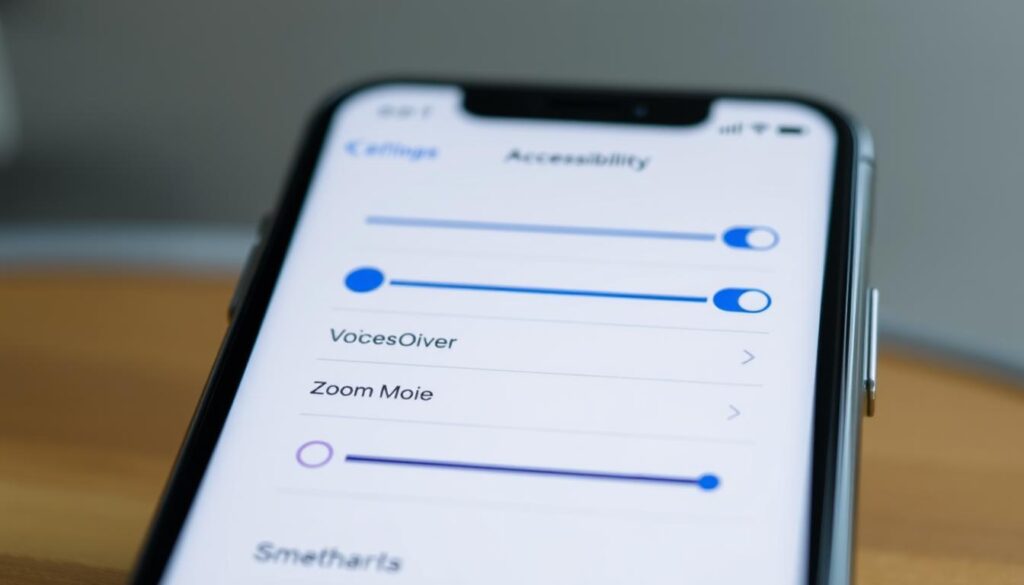
– Accessibility-Focused Apps: Digital platforms such as Acessa Brasil provide essential information on accessible amenities throughout the country, including locations of ramps, elevators, and accessible restrooms.
3. Engage with Community Resources
Local Support Systems
Community organizations often play a significant role in improving accessibility. Engaging with these resources can enhance your navigation experience.
– Local Non-profits: Look for local organizations that advocate for disability rights and accessibility improvements. They often have valuable insights and can guide you to accessible locations.
– Public Awareness Campaigns: Participate in or follow local campaigns aimed at improving public spaces and increasing awareness about accessibility issues.
4. Understand Your Rights
Legal Frameworks
Familiarizing yourself with your rights can empower individuals facing accessibility challenges. The Brazilian Law of Inclusion outlines several key rights for persons with disabilities:
– Equal Access: Rights to accessible transportation, public buildings, and information.
– Support Services: Eligibility for various assistance programs aimed at enhancing mobility and accessibility.
5. Advocate for Yourself and Others
Be a Voice for Change
Advocacy can lead to changes in policies and practices that improve accessibility for everyone:
– Report Accessibility Issues: If you encounter obstacles, report them to local authorities. Your feedback can lead to significant improvements.
– Join Advocacy Groups: Engage with advocacy organizations that focus on improving access and rights for individuals with disabilities. Adding your voice can lead to collective impact.
Exploring Accessible Venues
When navigating Brazilian cities, knowing which venues prioritize accessibility can save time and frustration. Here are some tips:
6. Research Accessible Attractions
Planning Your Itinerary
Before visiting a new city or venue, do some research to identify accessible attractions:
– Museums and Galleries: Many cultural institutions now provide accessible routes and services. Check their websites for information about accessibility features and assistance.
– Parks and Outdoor Spaces: Many urban parks have paved pathways and accessible facilities. Look for local parks with specific programs catering to accessibility.
7. Dining Out and Social Spaces
Choosing Accessible Restaurants
Dining out can be a pleasurable experience if you opt for venues that accommodate accessibility:
– Access Information: When making a reservation, ask about the accessibility features of the restaurant, including entrance ramps and restroom facilities.
– Inclusive Dining: Many restaurants in Brazil now offer accessible environments but be sure to verify before visiting.
Building an Accessible Future
Creating a more accessible Brazil involves a collective effort. Here’s how everyone can contribute:
8. Encourage Local Governments
Advocating for Improvements
Encouraging local authorities to invest in accessibility is crucial:
– Participate in Public Meetings: Attend municipal meetings and express the importance of accessibility in urban planning.
– Support Accessibility Initiatives: Join or promote local initiatives designed to improve infrastructure and public services for individuals with disabilities.
9. Education and Training
Raising Awareness
Raising awareness about the importance of accessibility can create a cultural shift:
– Training for Businesses: Encourage businesses to undergo training on accessibility standards to ensure they are compliant and accommodating.
– Community Workshops: Participate in or organize workshops that educate the public on accessibility issues and solutions.
Conclusion: The Road Ahead for Acessibilidade Brasil
As we explore the many facets of Acessibilidade Brasil, it becomes clear that continuous improvement is essential for true inclusivity. Through collective efforts—utilizing technology, advocating for rights, and engaging local communities—we can pave the way for a more accessible future.
Embracing the principles of accessibility enhances not only navigation within Brazil’s diverse environments but also fosters a society where every individual feels respected and valued. Together, we can transform the notion of accessibility from a mere legal obligation into a fundamental aspect of Brazilian culture.