- acessibilidade“>Understanding Acessibilidade
- Legal Framework Surrounding Acessibilidade
- Why Acessibilidade Matters
- Essential Benefits of Acessibilidade
- Economic Growth
- Market Expansion
- Employee Retention and Recruitment
- Enhanced Brand Loyalty
- Building Trust and Reputation
- Differentiation in a Competitive Market
- Social Equity and Community Engagement
- Fostering Inclusivity
- Strengthening Community Ties
- Improved Usability for All
- Universal Design Principles
- Customer Satisfaction
- Legal Compliance and Risk Management
- Avoiding Legal Repercussions
- Proactive Compliance Strategies
- Technology and Innovation
- Driving Innovation
- Tech-Savvy Solutions
- Health and Well-being
- Mental Health Benefits
- Encouraging Active Lifestyles
- Implementing Acessibilidade: Practical Steps
- Conducting an Accessibility Audit
- Involving Stakeholders
- Education and Training
- Leveraging Technology
- Continuous Improvement
- The Future of Acessibilidade (Incomplete: max_output_tokens)
Acessibilidade: A Definitive Guide to Essential Benefits
Acessibilidade. This concept transcends mere compliance with laws or regulations. It embodies a fundamental principle that ensures all individuals, regardless of their physical or cognitive abilities, have equitable access to resources, information, and environments. As society increasingly recognizes the importance of inclusive design and practices, understanding the essential benefits of accessibility becomes crucial. This comprehensive guide aims to elucidate the myriad advantages of accessibility, stemming from enhanced usability to the promotion of social equity.
Understanding Acessibilidade
Acessibilidade refers to the practice of making processes, environments, and products usable by individuals with varying abilities. Though often associated with physical disabilities, accessibility also pertains to individuals with visual, auditory, cognitive, or neurological conditions. Adopting an inclusive mindset, when considering how to design spaces or develop services, can lead to significant societal benefits.
Legal Framework Surrounding Acessibilidade
In many countries, a legal framework supports accessibility practices. Laws such as the Americans with Disabilities Act (ADA) in the United States, the Equality Act in the United Kingdom, and the Disability Discrimination Act in Australia lay the groundwork for accessible design. These laws mandate public and private organizations to create environments that are accessible to everyone.
Why Acessibilidade Matters
The significance of accessibility cannot be overstated. There are numerous reasons why societies should prioritize inclusive design:
1. Inclusivity and Equality: Acessibilidade ensures that all individuals can participate fully in society. This fosters a culture of inclusiveness and equality, where everyone has the opportunity to contribute.
2. Economic Benefits: Inclusive design can lead to significant economic advantages. By making products and services accessible, businesses can tap into a larger market, potentially increasing revenue.
3. Social Responsibility: Promoting accessibility demonstrates a commitment to social responsibility. Organizations that prioritize an inclusive approach often enjoy enhanced public perception and goodwill.
4. Legal Compliance: Failing to consider accessibility can result in legal repercussions. Organizations risk facing lawsuits or penalties for non-compliance with accessibility laws.
5. Enhanced User Experience: Accessible design often leads to improved usability for all users, not just those with disabilities. Features like clear signage, easily navigable websites, and intuitive layouts can benefit everyone.
Essential Benefits of Acessibilidade
Economic Growth
One of the most compelling arguments for investing in accessibility is its positive impact on economic growth. When businesses embrace inclusive practices, they can reach a wider customer base, including the many individuals with disabilities, their families, and friends. Here are some economic benefits that come with increased accessibility:
Market Expansion
By prioritizing accessibility, organizations can tap into a market composed of millions of individuals with disabilities. In the United States alone, this demographic represents a staggering purchasing power, estimated to be over $490 billion annually. Businesses that neglect this demographic may be leaving significant revenue on the table.
Employee Retention and Recruitment
Attracting and retaining talent is vital for any business. By making workplaces accessible, organizations can attract a diverse workforce, including qualified candidates with disabilities. Moreover, inclusive environments lead to higher job satisfaction and retention rates.
Enhanced Brand Loyalty
Building Trust and Reputation
When companies integrate accessibility into their core values, they build trust among their customers. People are more likely to support brands that align with their principles. By championing inclusivity, organizations can enhance their reputations in the eyes of consumers, often resulting in increased loyalty.
Differentiation in a Competitive Market
In today’s competitive marketplace, standing out can be challenging. Prioritizing accessibility can serve as a differentiating factor that not only attracts customers but also sets businesses apart from competitors who may overlook this critical aspect.
Social Equity and Community Engagement
Fostering Inclusivity
Acessibilidade plays an essential role in fostering inclusivity. When communities embrace accessible practices, they contribute to breaking down barriers that have historically marginalized individuals with disabilities.
Strengthening Community Ties
Accessible environments promote community engagement, encouraging all individuals to participate in social activities, including events, gatherings, and public forums. This sense of belonging fosters stronger community ties and enhances social cohesion.
Improved Usability for All
Universal Design Principles
Accessible design often aligns with universal design principles, focusing on creating products or environments that can be utilized by the widest range of people. This means that improvements made for accessibility often enhance usability for all users, leading to:
– Better Navigation: Clear signage and intuitive layouts benefit everyone navigating through public spaces or websites.
– Enhanced Communication: Captioning and audio descriptions can improve understanding for all users, not just those with disabilities.
Customer Satisfaction
When users experience accessible design, their satisfaction increases. Whether navigating a website or utilizing a public space, improved usability leads to a more positive experience, encouraging repeat visits.
Legal Compliance and Risk Management
Avoiding Legal Repercussions
Organizations that prioritize accessibility significantly reduce the risk of facing lawsuits or fines associated with non-compliance. Legal issues can be costly and damaging to an organization’s reputation. By adopting accessible practices, companies can protect themselves from potential legal actions.
Proactive Compliance Strategies
Investing in accessibility becomes a proactive compliance strategy. Organizations that view accessibility as a fundamental aspect of their operations are less likely to encounter legal challenges. Rather than merely meeting the minimum legal requirements, companies can set higher standards for accessibility.
Technology and Innovation
Driving Innovation
The drive for accessibility often sparks innovation. The need for creative solutions to overcome barriers has led to technological advancements that benefit all users. For instance, the evolution of assistive technologies has resulted in tools that can be used in various contexts, from education to gaming.
Tech-Savvy Solutions
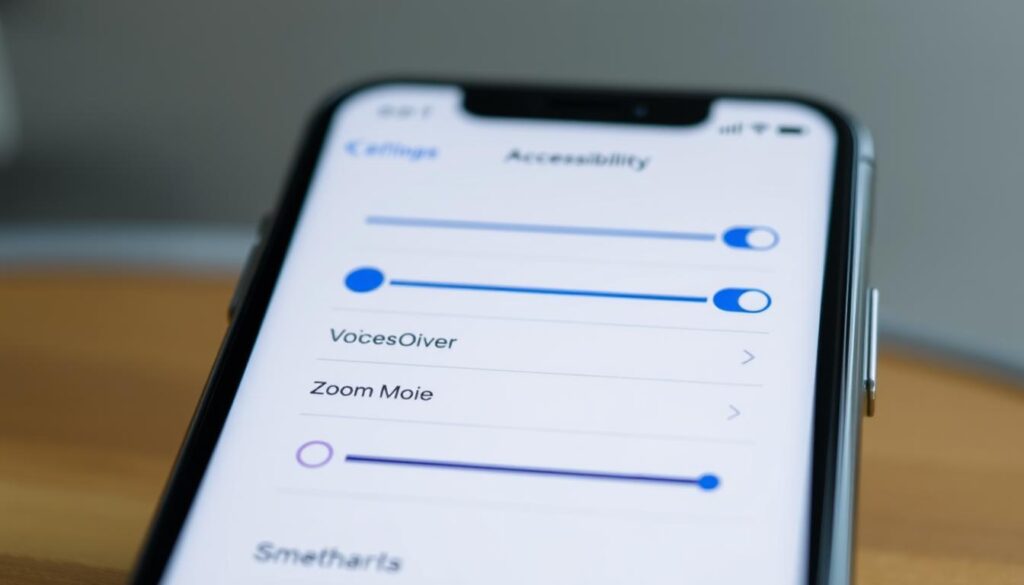
Integrating accessibility features in apps and online platforms fosters a culture of innovation. Features like voice recognition, screen readers, and alternative input methods enhance usability while opening new avenues for engagement.
Health and Well-being
Mental Health Benefits
Acessibilidade extends beyond physical barriers. Research indicates that accessible environments positively impact mental health. Individuals who feel included and valued are less likely to experience feelings of isolation, anxiety, and depression.
Encouraging Active Lifestyles
Accessible public spaces encourage physical activity by providing equal opportunities for all individuals. Parks, recreation areas, and fitness centers designed with accessibility in mind foster healthier lifestyles for everyone.
Implementing Acessibilidade: Practical Steps
Conducting an Accessibility Audit
Before implementing changes, organizations should conduct a thorough accessibility audit to identify barriers within existing environments, services, or products. This audit will highlight areas needing improvement, serving as a roadmap for development.
Involving Stakeholders
Engaging individuals with disabilities during the design process is vital. Their firsthand experiences and insights can inform decisions, ensuring that solutions genuinely meet their needs.
Education and Training
Investing in education and training for staff is essential for fostering a culture of accessibility. Employees should understand the importance of inclusivity as well as the tools and techniques necessary to facilitate accessible practices.
Leveraging Technology
Utilizing technology is essential for implementing accessible solutions. From creating accessible websites to investing in assistive technologies, organizations should explore various tools to create an inclusive environment.
Continuous Improvement
Accessibility should be viewed not as a one-time initiative but as an ongoing commitment. Regular assessments and reviews will help organizations stay up-to-date with best practices and evolving standards.