- acessibilidade-in-brazil”>Understanding Acessibilidade in Brazil
- The Importance of Libras in Communication
- Key Challenges Faced by the Deaf Community
- Limited Access to Information
- Lack of Qualified Interpreters
- Social Stigma and Awareness
- Must-Have Libras Solutions for Acessibilidade
- 1. Libras Interpretation Services
- 2. Educational Resources in Libras
- 3. Technology-Driven Solutions
- 4. Awareness Campaigns
- 5. Collaborating with Businesses
- The Role of Government in Acessibilidade
- Legislation and Policy Making
- Funding Initiatives
- Awareness Campaigns
- The Future of Acessibilidade Brasil
- Innovations on the Horizon
- Building Communities
- Continuous Learning and Adaptation
- Conclusion
Acessibilidade Brasil: Must-Have Libras Solutions for All
Acessibilidade Brasil is a fundamental topic that emphasizes the importance of inclusivity within society, especially for those with disabilities. One of the most significant aspects of this initiative is the incorporation of Libras (Língua Brasileira de Sinais), the Brazilian sign language, which ensures effective communication for the deaf and hard-of-hearing community. This article will explore essential tools, resources, and strategies to promote accessibility for all in Brazil, highlighting must-have Libras solutions that can make a difference.
Understanding Acessibilidade in Brazil
Acessibilidade, or accessibility, is not just about physical access to buildings or public spaces; it encompasses a broader perspective that includes communication, education, and social inclusion. In Brazil, efforts to promote accessibility have been gaining momentum, particularly as awareness of the rights of people with disabilities grows.
Libras plays a critical role in facilitating communication for the deaf and hard-of-hearing community. Efforts to incorporate Libras solutions in various sectors can create an inclusive environment, allowing everyone to participate fully in society.
The Importance of Libras in Communication
Libras is more than just a means of communication; it serves as a cultural identity for the deaf community in Brazil. Knowing Libras not only allows for effective communication but also fosters a sense of belonging and respect for deaf individuals.
It’s crucial to recognize that accessibility extends beyond compliance with laws and regulations; it involves a true commitment to understanding and valuing diversity in communication methods. For many deaf individuals, Libras is their first language, and having access to this form of communication can drastically improve their quality of life.
Key Challenges Faced by the Deaf Community
Despite significant advancements in promoting accessibility, the deaf community still faces considerable challenges:
Limited Access to Information
Many public services and educational institutions do not provide materials in Libras, limiting access to crucial information. For example, vital health information, legal rights, and social services may not be adequately communicated in sign language.
Lack of Qualified Interpreters
While there is a growing demand for Libras interpreters, there remains a severe shortage of qualified professionals in various sectors, including health care, education, and public services. This lack can lead to misunderstandings and gaps in communication, impacting the quality of services received by deaf individuals.
Social Stigma and Awareness
Despite strides in inclusivity, stigma surrounding deafness continues in many facets of Brazilian society. Misconceptions and a lack of awareness about the importance of Libras hinder efforts to foster an understanding environment.
Must-Have Libras Solutions for Acessibilidade
To enhance accessibility across Brazil, it is essential to adopt well-rounded Libras solutions that address the needs of the deaf community. Here are some must-have tools and resources promoting accessibility.
1. Libras Interpretation Services
One of the most significant barriers to accessibility for the deaf community is the scarcity of interpreters. Establishing a network of skilled Libras interpreters in public institutions, workplaces, and community organizations is vital. Here are some actionable steps:
– Training Programs: Encourage universities to implement training programs for aspiring interpreters. These programs should comply with national standards and include practical experience opportunities.
– Public Funding: Advocate for government funding to support hiring interpreters in public services such as hospitals and schools, ensuring equitable access.
2. Educational Resources in Libras
Understanding that education is a powerful tool for empowerment is pivotal. Educational resources in Libras can significantly enhance learning experiences for deaf students.
– Online Courses and Tutorials: Develop online platforms where students can access Libras classes. Offering these resources free or at a reduced cost can democratize access to learning.
– Libras Curriculum Integration: Ensure that educational institutions across the country include Libras as a mandatory subject in their curricula, making it accessible to both hearing and deaf students.
3. Technology-Driven Solutions
In this digital age, leveraging technology can play a crucial role in enhancing accessibility.
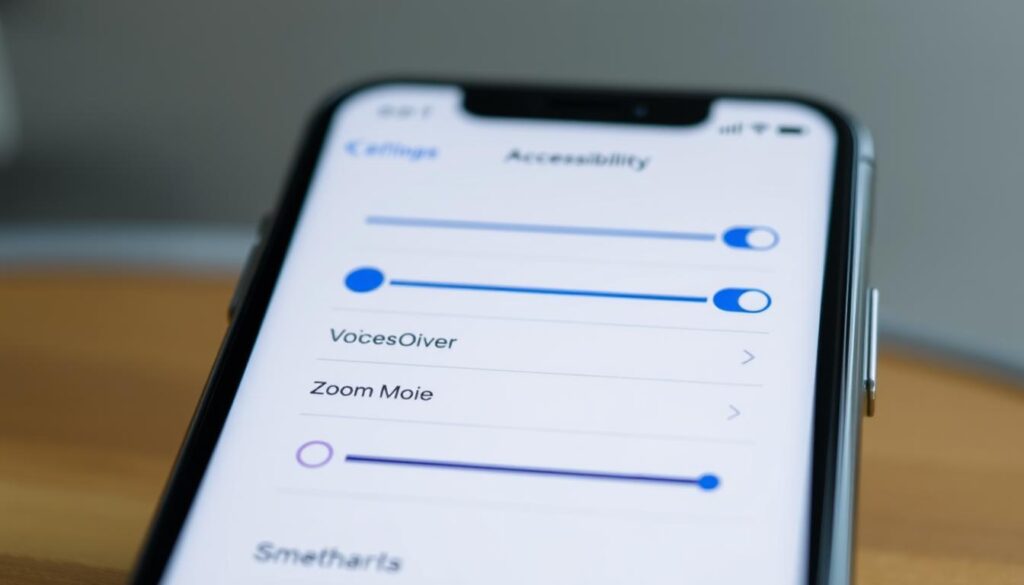
– Mobile Apps: Develop mobile applications designed to assist in learning Libras and connecting with interpreters. Features may include video calls with interpreters, flashcards for learning signs, and quizzes to test knowledge.
– Automated Captioning: Encourage businesses and public services to invest in technology that provides real-time captioning during meetings and events. This can include voice-to-text software and closed captioning systems.
4. Awareness Campaigns
Creating awareness is essential for fostering an understanding of the deaf community’s needs.
– Public Workshops: Organize workshops and seminars that educate the general population about Libras and the importance of inclusivity. Include interactive sessions where participants can learn basic sign language.
– Media Engagement: Collaborate with media outlets to showcase stories and experiences of individuals within the deaf community. This can serve to demystify deafness and encourage empathy and support.
5. Collaborating with Businesses
Businesses play a pivotal role in creating accessible environments. Engaging privately-owned sectors can lead to innovative solutions:
– Accessibility Audits: Conduct audits in workplaces to assess their accessibility standards. This can help identify areas for improvement and where Libras solutions can be integrated.
– Diversity Training: Encourage companies to implement diversity training that includes teaching staff about the importance of Libras and how to interact effectively with deaf individuals.
The Role of Government in Acessibilidade
Government intervention is undoubtedly a significant factor in promoting Acessibilidade Brasil.
Legislation and Policy Making
The Brazilian Constitution and the Statute of the Person with Disabilities lay the groundwork for accessibility rights. However, continuous efforts are necessary to strengthen these laws:
– Enforcement: Ensuring that existing laws promoting accessibility are enforced across all sectors is essential.
– Policy Development: Develop new policies focusing on the inclusion of Libras in public services and institutions. This could involve mandates for interpreter availability in essential services.
Funding Initiatives
Government funding for specific initiatives aimed at improving accessibility is vital. Allocating resources for training, technology, and educational materials can bridge the gap currently faced by the deaf community.
Awareness Campaigns
Governments can run awareness campaigns targeting both the general public and businesses, emphasizing the significance of Libras and promoting an inclusive society. These campaigns can be conducted through various channels to maximize reach.
The Future of Acessibilidade Brasil
A future where accessibility is the norm rather than the exception requires collective effort from individuals, organizations, and government bodies.
Innovations on the Horizon
Emerging technologies, such as artificial intelligence, hold promise for advancing Libras solutions. AI-driven applications capable of real-time sign language translation have the potential to revolutionize how deaf individuals communicate with the hearing world.
Building Communities
Creating supportive communities is vital for promoting accessibility. Establishing networks among individuals, educators, and advocates can foster collaboration and share resources.
Continuous Learning and Adaptation
As society evolves, so do the needs of diverse community members. Maintaining a commitment to continuous learning, adaptation, and innovation is crucial to create a truly inclusive environment.
Conclusion
Acessibilidade Brasil is an ongoing journey requiring commitment and action from all sectors of society. Incorporating Libras solutions is an essential step in fostering an inclusive environment for the deaf and hard-of-hearing community. By addressing challenges, leveraging technology, and advocating for systemic changes, (Incomplete: max_output_tokens)