- acessibilidade“>Understanding the Importance of Acessibilidade
- The Impact of Accessibility on Quality of Life
- Physical Acessibilidade Solutions
- 1. Wheelchair Ramps and Elevators
- 2. Accessible Restrooms
- 3. Clear Pathways and Signage
- Communication Acessibilidade Solutions
- 4. Text-to-Speech and Speech Recognition Technologies
- 5. Sign Language Interpretation and Captions
- Digital Acessibilidade Solutions
- 6. Website Accessibility Standards
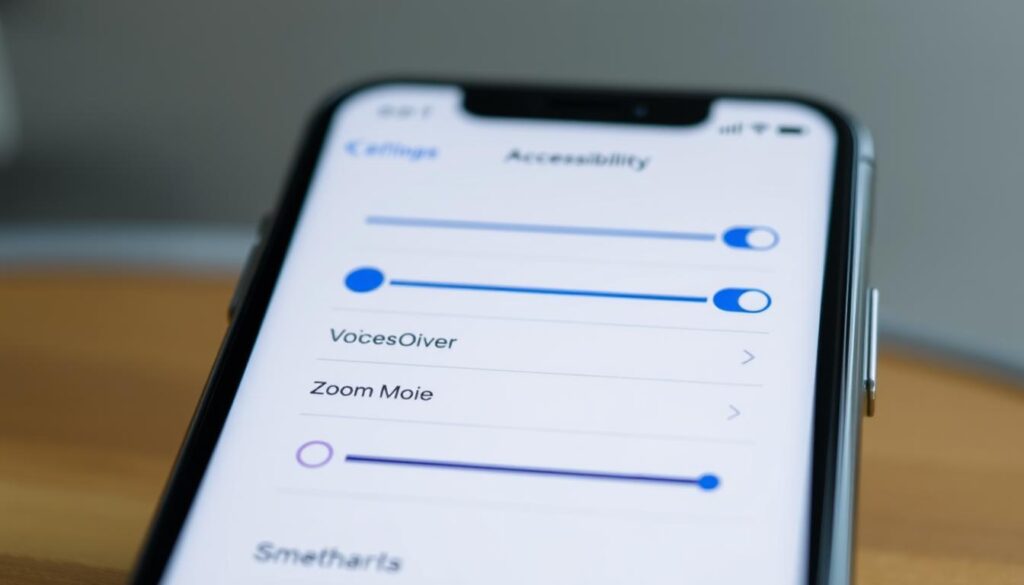
- 7. Mobile App Acessibilidade
- Community Acessibilidade Initiatives
- 8. Awareness and Training Programs
- 9. Accessible Transportation Services
- Leveraging Technology for Acessibilidade
- 10. Smart Home Devices
- 11. Assistive Technologies
Acessibilidade: Must-Have Solutions for People with Disabilities
Acessibilidade is a crucial aspect of ensuring that individuals with disabilities can participate fully in society. This encompasses everything from physical access in public spaces to digital accessibility in online environments. The goal of creating a more inclusive world cannot be overstated; barriers that inhibit access must be addressed, and inclusive solutions must be developed. In this article, we will explore various must-have solutions that enhance accessibility for people with disabilities, covering both physical environments and digital spaces.
Understanding the Importance of Acessibilidade
Before diving into specific solutions, it’s essential to understand why acessibilidade matters. The World Health Organization estimates that over a billion people globally experience some form of disability. This diverse population faces not only physical barriers but also social, economic, and digital obstacles that can significantly limit their experiences and opportunities. A society that embraces accessibility fosters equality, empowering individuals to contribute to their communities, access educational and employment opportunities, and lead fulfilling lives.
The Impact of Accessibility on Quality of Life
Accessibility positively impacts the quality of life for individuals with disabilities in numerous ways:
– Independence: Accessible environments help people navigate their surroundings without assistance.
– Social Inclusion: By promoting accessibility in public spaces and services, individuals can engage more easily with others in the community.
– Economic Opportunities: Accessible workplaces and education systems allow individuals to pursue careers and academic achievements, which in turn stimulates economic growth.
– Health and Well-being: Access to healthcare facilities, recreational areas, and community services enhances overall well-being.
With this understanding, we can identify practical solutions that address varying needs within this population.
Physical Acessibilidade Solutions
1. Wheelchair Ramps and Elevators
One of the foremost considerations in physical accessibility is the availability of wheelchair ramps and elevators. Traditional staircases can be formidable barriers to individuals using wheelchairs or those with mobility impairments.
– Design Guidelines: Ramps should comply with ADA (Americans with Disabilities Act) guidelines, ensuring they are not too steep and are equipped with handrails. Elevators should be well-marked and maintained to guarantee reliable access.
– Installation Recommendations: Community buildings, schools, and workplaces should prioritize the installation of ramps and elevators to accommodate everyone.
2. Accessible Restrooms
Accessible restrooms are another must-have solution for physical inclusivity. These facilities should be designed with the user in mind, allowing for easy maneuverability.
– Essential Features: Key features include wider stalls, grab bars, and sinks at appropriate heights. It’s also important to provide space for assistance if required.
– Encouraging Awareness: Facilities should prominently display signage to guide users to accessible restrooms, signaling that they are available and designed for assistance.
3. Clear Pathways and Signage
Clear pathways that avoid obstacles are crucial for individuals with mobility issues. In addition, effective signage ensures that everyone can navigate public spaces easily.
– Pathway Design: Pathways should be wide enough to accommodate wheelchairs and scooters, while landscaping should not impede movement.
– Signage Principles: Signage should be easy to read, with both text and pictograms to assist those with varying literacy levels and learning disabilities.
Communication Acessibilidade Solutions
4. Text-to-Speech and Speech Recognition Technologies
Advancements in technology have opened new avenues for accessibility, particularly in communication. Text-to-speech and speech recognition software are vital tools for individuals with visual impairments or those who struggle with traditional methods of communication.
– Text-to-Speech Solutions: This technology reads digital text aloud, allowing users to engage with written content easily. Popular applications include screen readers that function on computers and smartphones.
– Speech Recognition Tools: Voice-command applications enable users to interact with devices and software through spoken language, simplifying tasks for those with mobility impairments.
5. Sign Language Interpretation and Captions
Providing sign language interpretation and captions can enhance access for individuals who are Deaf or hard of hearing, enabling them to fully participate in various activities and events.
– Communication Access Real-time Translation (CART): CART services provide real-time transcription of spoken language into text, allowing individuals to read along during presentations, meetings, or lectures.
– Inclusion of Sign Language: Organizations should consider hiring sign language interpreters for events, ensuring Deaf individuals can fully engage without exclusion.
Digital Acessibilidade Solutions
6. Website Accessibility Standards
In today’s digital age, a significant portion of interaction happens online, making website accessibility a priority. Adhering to established web content accessibility guidelines (WCAG) ensures that websites can accommodate all users.
– Key Web Features: Websites should include alt text for images, keyboard navigability, and clear structure with headings and lists to improve usability for screen readers.
– Regular Audits and Testing: Organizations should routinely conduct accessibility audits and user testing to identify and rectify issues on their websites.
7. Mobile App Acessibilidade
Just like websites, mobile apps must also be built with accessibility in mind. Effective design can help users navigate seamlessly.
– User-Centric Design: Apps should offer adjustable font sizes and voice navigation to cater to varied needs. Incorporating visual cues such as color contrasts can further enhance usability.
– Feedback Mechanisms: Providing users with an easy way to give feedback can help identify areas for improvement and ensure that the app meets user needs.
Community Acessibilidade Initiatives
8. Awareness and Training Programs
Education is a powerful tool in promoting accessibility. By raising awareness and providing training, communities can cultivate a more inclusive environment for everyone.
– Workshops and Training Sessions: Local organizations can hold workshops to educate staff on serving individuals with disabilities effectively. Topics can cover communication methods, assistance techniques, and understanding various disabilities.
– Community Outreach: Collaborating with disability advocates and organizations can help spread awareness about accessibility needs and the importance of inclusive practices.
9. Accessible Transportation Services
Transportation can be a significant barrier for individuals with disabilities. Accessible public transport options are essential for fostering independence.
– Transportation Solutions: Local governments should invest in wheelchair-accessible buses, taxis, and ride-sharing services. Availability of information about these services in accessible formats is equally vital.
– Encouraging Partnerships: Collaborating with private companies can enhance transportation options available in the community.
Leveraging Technology for Acessibilidade
10. Smart Home Devices
Smart home technologies have revolutionized how individuals with disabilities can interact with their living environments, promoting greater independence.
– Voice-Controlled Devices: Smart speakers and home automation systems allow users to control lights, appliances, and thermostats through voice commands, streamlining daily tasks.
– Remote Monitoring: For individuals requiring assistance, smart monitoring systems can provide family members with insights into the home environment, ensuring safety and quick response in emergencies.
11. Assistive Technologies
Various assistive technologies can significantly improve the quality of life for individuals with disabilities. These tools cater to specific needs and foster independence.
– Hearing Aids and Cochlear Implants: These devices are vital for individuals with hearing loss, enhancing their ability to communicate effectively.
– Mobility Aids: Walkers, crutches, and scooters increase mobility and support (Incomplete: max_output_tokens)