- acessibilidade-the-foundations”>Understanding Acessibilidade: The Foundations
- What is Acessibilidade?
- The Importance of Acessibilidade
- Analyzing Barriers to Inclusion
- Physical Barriers
- Digital Barriers
- Social Barriers
- Must-Have Tips for Effortless Inclusion
- Accessibility in Physical Spaces
- 1. Design for Mobility
- 2. Configure Pathways
- Implementing Digital Acessibilidade
- 3. Designing Accessible Websites
- 4. Regular Testing
- Cultivating Social Inclusion
- 5. Promote Awareness and Education
- 6. Foster Open Communication
- Leveraging Technology for Acessibilidade
- 7. Use Assistive Technologies
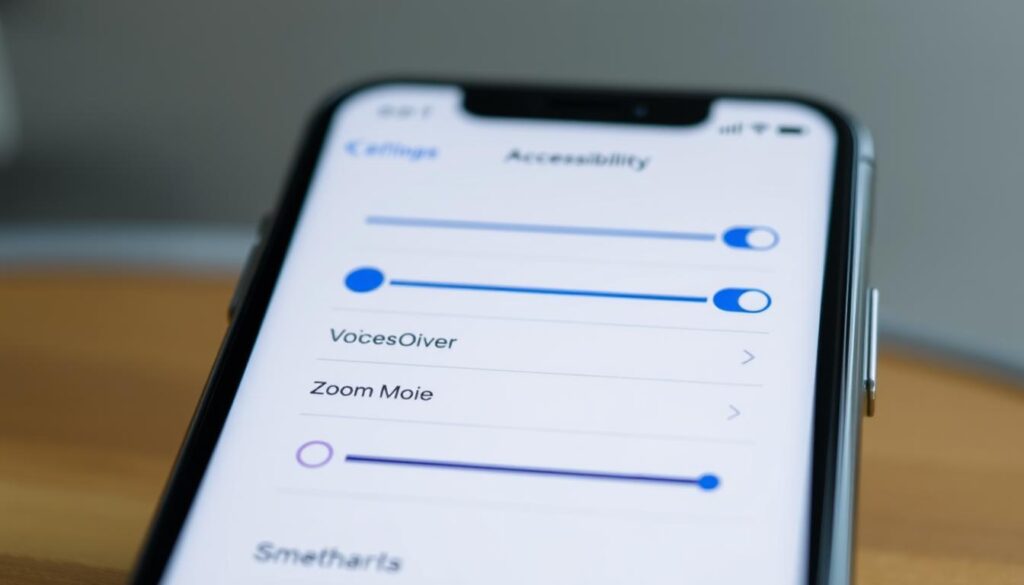
- 8. Mobile Accessibility
- Policies and Regulations
- 9. Understand Local Regulations
- 10. Create an Accessibility Plan
- Real-Life Applications of Acessibilidade
- Business Case Studies
- 1. Target
- 2. Apple
- Individual Stories of Overcoming Barriers
Acessibilidade: Must-Have Tips for Effortless Inclusion
Acessibilidade is a term that resonates deeply in our increasingly diverse and interconnected world. As society progresses, it becomes imperative to ensure that everyone, regardless of their abilities, can participate fully in everyday activities. From visual impairments to mobility restrictions, understanding and implementing effective accessibility measures can bridge the gap, fostering an inclusive environment that celebrates all individuals.
In this extensive article, we will explore various aspects of accessibility, offering practical tips and insights for institutions, businesses, and individuals looking to promote effortless inclusion in their communities. Let us delve into the principles, strategies, and technologies that can facilitate greater accessibility for all.
Understanding Acessibilidade: The Foundations
What is Acessibilidade?
Acessibilidade refers to the design of products, devices, services, or environments for people with disabilities. The concept extends beyond physical spaces like buildings and public transportation; it includes digital platforms, communication methods, and social practices. The aim is to create an environment where everyone can participate equally and effectively.
The Importance of Acessibilidade
Creating an inclusive society is essential not only for ethical and moral reasons but also for social and economic benefits. When we prioritize accessibility:
1. Empowerment: People with disabilities are empowered to live independently and participate fully in society.
2. Diversity: Inclusion fosters a diverse environment that encourages various viewpoints, improving creativity and problem-solving.
3. Economic Growth: By catering to a broader audience, businesses can tap into new markets, leading to increased revenues.
Analyzing Barriers to Inclusion
To effectively enhance accessibility, it’s crucial to understand the various barriers that individuals may encounter. Here are some of the primary obstacles to inclusion:
Physical Barriers
Physical barriers often involve structural elements that inhibit accessibility, like staircases, narrow doorways, and inadequate signage. These obstructions can prevent individuals with mobility challenges from entering or navigating spaces effectively.
Digital Barriers
As businesses increasingly move online, digital accessibility has become a pressing concern. Websites that are not designed with accessibility in mind may exclude users with visual impairments, hearing difficulties, or cognitive challenges.
Social Barriers
Attitudinal barriers can often be the most challenging to overcome. Misconceptions or lack of awareness regarding the capabilities of individuals with disabilities can lead to social exclusion and discrimination.
Must-Have Tips for Effortless Inclusion
Accessibility in Physical Spaces
1. Design for Mobility
Incorporating accessibility into the design of physical spaces is crucial. Here are essential tips:
– Entrances and Exits: Ensure that all entrances and exits are wheelchair accessible. Install ramps and automatic doors where possible.
– Signage: Use clear, large fonts for signs, and include tactile and Braille options to assist individuals with visual impairments.
– Restrooms: Design bathrooms that include accessible stalls with grab bars and enough space for maneuvering.
2. Configure Pathways
Ensuring that pathways are clear and wide enough for mobility devices is fundamental. Here are a few considerations:
– Smooth Surfaces: Use non-slip materials for flooring to prevent accidents.
– Obstruction-Free Paths: Regularly check for and remove any obstructions, like furniture or displays, from pathways.
Implementing Digital Acessibilidade
3. Designing Accessible Websites
Creating a website that is easy to navigate is vital for reaching all users. Consider implementing the following principles:
– Alt Text: Include descriptive alternative text for all images, ensuring that screen readers can convey the information to visually impaired users.
– Keyboard Navigation: Ensure that your website can be fully navigated using a keyboard for those who cannot use a mouse.
– Color Contrast: Use high-contrast color schemes to accommodate individuals with visual impairments.
4. Regular Testing
Accessibility should be an ongoing process. Regularly test your digital content using both automated tools and user feedback to identify barriers:
– User Testing: Engage individuals with disabilities in user testing phases to gain insights into their experiences.
– Feedback Mechanism: Implement a feedback option on your website so that users can report accessibility issues.
Cultivating Social Inclusion
5. Promote Awareness and Education
Creating a culture of inclusivity starts with awareness and education. Here’s how to approach it:
– Employee Training: Conduct regular training sessions for staff to familiarize them with accessibility issues and practices.
– Community Engagement: Host community workshops that focus on disability awareness and inclusion strategies.
6. Foster Open Communication
Encourage open communication between individuals with disabilities and community leaders or business owners:
– Suggestion Boxes: Provide easy ways for people to share their accessibility experiences and suggestions for improvement.
– Partnerships: Collaborate with organizations that specialize in promoting accessibility to enhance your initiatives.
Leveraging Technology for Acessibilidade
7. Use Assistive Technologies
What tools can help promote accessibility? Here are a few powerful options:
– Screen Readers: Promote the use of screen reading software that interprets digital text, allowing visually impaired users to interact with online content.
– Speech Recognition Software: This technology enables users to control devices and navigate the internet using voice commands.
– Captioning Tools: Ensure that all videos and media include captions for those with hearing impairments.
8. Mobile Accessibility
With the rise of smartphone usage, ensuring mobile apps are accessible is vital:
– Responsive Design: Develop apps that adapt well to various screen sizes and support touch navigation.
– Voice Commands: Implement features that allow users to navigate apps through voice commands.
Policies and Regulations
9. Understand Local Regulations
Being knowledgeable about accessibility laws and guidelines can guide your efforts. Familiarize yourself with regulations like:
– ADA (Americans with Disabilities Act) in the U.S.
– Equality Act in the U.K.
– European Accessibility Act within the EU.
These regulations establish minimum requirements for accessibility, and staying compliant is not only ethical but also legally sound.
10. Create an Accessibility Plan
Developing a comprehensive accessibility plan can help outline goals and strategies for improvement. Here are key components:
– Assessment: Conduct regular assessments of your facilities and digital interfaces.
– Implementation Schedule: Create a timeline for making necessary changes and updates.
– Budgeting: Allocate funds specifically to improve accessibility within your organization.
Real-Life Applications of Acessibilidade
Business Case Studies
Several organizations have successfully transformed their accessibility practices, leading to widespread benefits. Here are a few notable examples:
1. Target
Target implemented a wide array of accessibility features in its retail locations and online platforms. Their commitment to providing comprehensive accessibility extends beyond mere compliance, yielding positive consumer experiences and considerable brand loyalty.
2. Apple
Apple’s commitment to accessibility is integrated into its product design. Features like VoiceOver and Switch Control have made their devices approachable for individuals with varying disabilities, cementing their position as an industry leader in inclusive technology.
Individual Stories of Overcoming Barriers
In our pursuit of accessibility, it’s crucial to share stories that highlight personal triumphs:
1. Maria’s Journey: Maria, a wheelchair user, found that her local community lacked accessible facilities. After (Incomplete: max_output_tokens)