- acessibilidade-must-have-tips-for-effortless-navigation”>Acessibilidade: Must-Have Tips for Effortless Navigation
- Understanding Acessibilidade in Context
- The Importance of Acessibilidade
- Must-Have Tips for Profoundly Accessible Navigation
- 1. Designing for Physical Spaces
- 2. Digital Acessibilidade
- 3. Visual and Auditory Acessibilidade
- 4. Engaging the Community
- The Role of Technology in Acessibilidade
- 1. Mobile Applications
- 2. Smart Environments
- Case Studies in Effective Acessibilidade
- 1. The London Underground
- 2. Website Accessibility at University Sites
- Continuous Improvement and Acessibilidade
- 1. Conduct Regular Access Audits
- 2. Stay Updated with Legislation
- Conclusion: A Truly Inclusive Future
Acessibilidade: Must-Have Tips for Effortless Navigation
Acessibilidade is a fundamental aspect of modern navigation systems, aimed at ensuring that everyone can move through spaces and access information with ease and comfort. In an increasingly digital and interconnected world, making accessibility a priority isn’t just a legal obligation; it’s a moral imperative. This comprehensive guide delves into must-have tips for creating accessible environments, whether you’re designing physical spaces or developing digital interfaces.
Understanding Acessibilidade in Context
Acessibilidade goes beyond just physical changes; it encompasses digital design, social awareness, and the creation of environments that consider the needs of all individuals. For instance, a building might include ramps and wide doorways, but if its website is difficult to navigate, it still excludes many users. Thus, a holistic approach to accessibility blends physical and digital strategies to enable seamless navigation in all realms.
The Importance of Acessibilidade
A well-designed accessible space or interface does more than just comply with regulations. It fosters an inclusive environment that allows people with disabilities to participate fully in society. Here are some compelling reasons why prioritizing accessibility is essential:
– Inclusivity: Everyone deserves the right to access spaces and information, regardless of ability.
– Enhanced User Experience: Accessibility features such as alternative text for images or clear font choices improve usability for everyone.
– Legal Compliance: Many countries have strict laws regarding accessibility in public spaces and websites.
– Economic Advantage: An accessible business can tap into a wider customer base, leading to increased revenue.
Must-Have Tips for Profoundly Accessible Navigation
1. Designing for Physical Spaces
Creating physical environments that are accessible involves thoughtful design and planning. Here are essential elements to consider:
##### a. Ramps and Elevators
Key features: Ensure that ramps meet the required gradient for easy traversal. Elevators must be spacious enough to accommodate mobility devices.
Tip: Place signage that clearly indicates the location of ramps and elevators to guide users efficiently.
##### b. Clear Pathways
Key features: Maintain wide walkways (at least 36 inches) free from obstacles. This is especially crucial in crowded places.
Tip: Use floor markings or tactile indicators to guide visually impaired individuals.
##### c. Accessible Restrooms
Key features: Accessible restrooms should have grab bars, ample space for maneuvering, and suitable fixtures that cater to diverse needs.
Tip: Clearly mark accessible restrooms with international symbols.
2. Digital Acessibilidade
Digital platforms are critical for navigation in today’s world. Here’s how to enhance their accessibility:
##### a. Alt Text for Images
Key features: Always provide descriptive alternative text for images so that screen readers can convey the information to visually impaired users.
Tip: Keep alt text concise but descriptive—describe the function and nature of the image instead of just “image of.”
##### b. Keyboard Navigation
Key features: Make sure that all navigational elements on your website or app can be accessed using a keyboard alone.
Tip: Regularly test using only keyboard navigation to ensure all features are easily accessible.
##### c. Clear Font Choices
Key features: Use easy-to-read fonts and adequate contrast between text and background colors.
Tip: Avoid overly decorative fonts, and ensure your font size can be enlarged without loss of content.
3. Visual and Auditory Acessibilidade
Creating spaces or systems that are accessible also involves considering the needs of those with hearing and vision impairments:
##### a. Signage and Symbols
Key features: Use high-contrast colors, large fonts, and easily recognizable symbols for signage.
Tip: Incorporate Braille and tactile elements on directional signs to assist individuals with visual impairments.
##### b. Audio and Video Accessibility
Key features: All video content should include subtitles, and audio content should come with transcripts.
Tip: Include sign language interpreters in instructional videos to further aid understanding.
4. Engaging the Community
Creating accessibility requires more than just a checklist—it involves community engagement:
##### a. Feedback Mechanisms
Key features: Establish avenues for feedback from individuals who use accessible features.
Tip: Regularly review feedback to evolve your strategies and continually improve accessibility.
##### b. Training Staff
Key features: Conduct training sessions for staff on the importance of accessibility and how to assist individuals effectively.
Tip: Include simulations for staff to experience challenges faced by individuals with disabilities, fostering understanding and empathy.
The Role of Technology in Acessibilidade
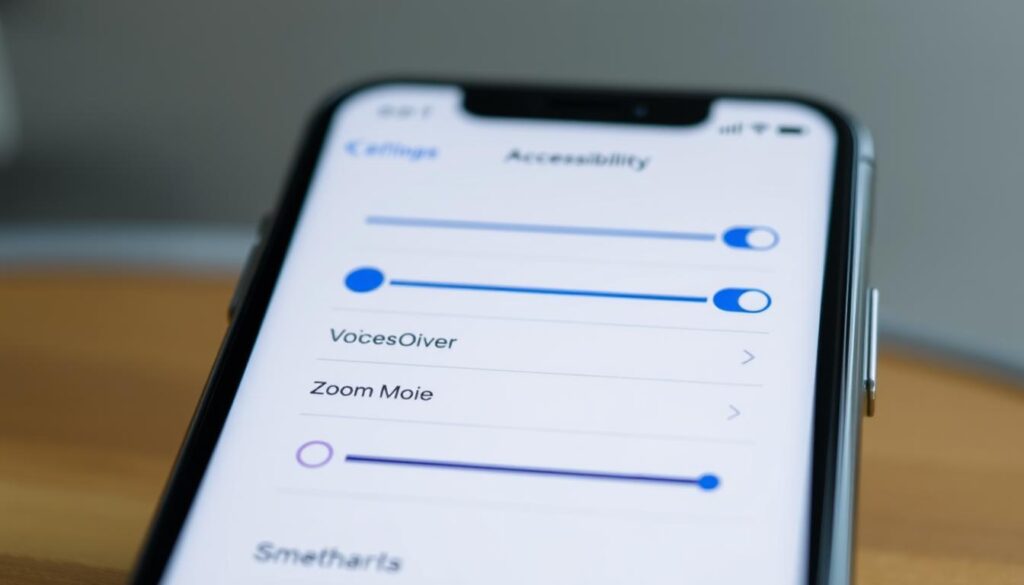
Technology offers remarkable tools to enhance accessibility. Assistive devices and software play a crucial role in helping individuals navigate environments and access information with ease.
1. Mobile Applications
Numerous applications can aid navigation for people with disabilities:
– GPS Navigation: Apps specifically designed for the visually impaired provide audible instructions tailored to their needs.
– Accessibility Scanners: Those with cognitive disabilities can use apps that simplify visual information and provide text-to-speech functionality.
2. Smart Environments
The integration of Internet of Things (IoT) devices can further enhance accessibility. Smart lighting, for instance, can be adjusted automatically based on visibility needs or even integrated with mobile apps for convenience.
Tip: Consider voice-activated systems that facilitate navigation and control within spaces, making it easier for everyone.
Case Studies in Effective Acessibilidade
1. The London Underground
The London Underground has made significant strides in enhancing physical accessibility by introducing step-free access at various stations. Their commitment to clear signage and staff training has also paid off in ensuring accessible navigation for everyone.
2. Website Accessibility at University Sites
Many universities are reforming their websites to incorporate easily navigable designs with optimal accessibility features. By using clear headings, alt texts, and transcripts, they cater to diverse student needs while also enhancing the educational experience for all.
Continuous Improvement and Acessibilidade
The journey toward complete accessibility is ongoing. Regular audits and evaluations are necessary to ensure that environments and technologies remain up to date with the latest standards and user expectations.
1. Conduct Regular Access Audits
Key features:
Perform thorough assessments of physical spaces and digital platforms to identify areas for improvement.
Tip: Employ users with disabilities as consultants in these audits for authentic insights.
2. Stay Updated with Legislation
Key features:
Accessibility laws can change; staying informed helps businesses remain compliant and socially responsible.
Tip: Attend seminars and workshops focused on accessibility to keep your strategies aligned with current best practices.
Conclusion: A Truly Inclusive Future
Acessibilidade is more than a checklist of features; it represents a commitment to empowering everyone to navigate the world independently and confidently. By integrating thoughtful design, technology, and community feedback, we can create spaces and systems that are genuinely inclusive. As we continue to prioritize accessibility, we contribute to a world where everyone, regardless of ability, can engage fully and effortlessly.
Ultimately, the aim is to forge connections and foster understanding, enabling seamless navigation not just physically, but emotionally and socially as well. It’s time for us all to make accessibility a priority, ensuring a future where everyone can thrive.