- Understanding Accessibility in Schools
- The Legal Framework
- Current Challenges in Addressing Accessibility
- Physical Barriers
- Inadequate Training for Staff
- Insufficient Curriculum Adaptations
- Social Barriers
- The Impact of Accessibility Shortcomings
- Academic Performance
- Emotional Well-being
- Long-term Consequences
- Impactful Changes Needed Now
- Comprehensive Accessibility Audits
- Inclusive Policy Development
- Training for Educators
- Curriculum Revisions
- Cultivating an Inclusive School Culture
- Collaborating with Community Organizations
- Involving Families in the Process
- Case Studies of Effective Change
- Progressive Schools Leading the Way
- Learning from Success Stories
- The Role of Technology in Accessibility
- Assistive Technologies
- Online Learning Platforms
Escola Sem Acessibilidade: Impactful Changes Needed Now
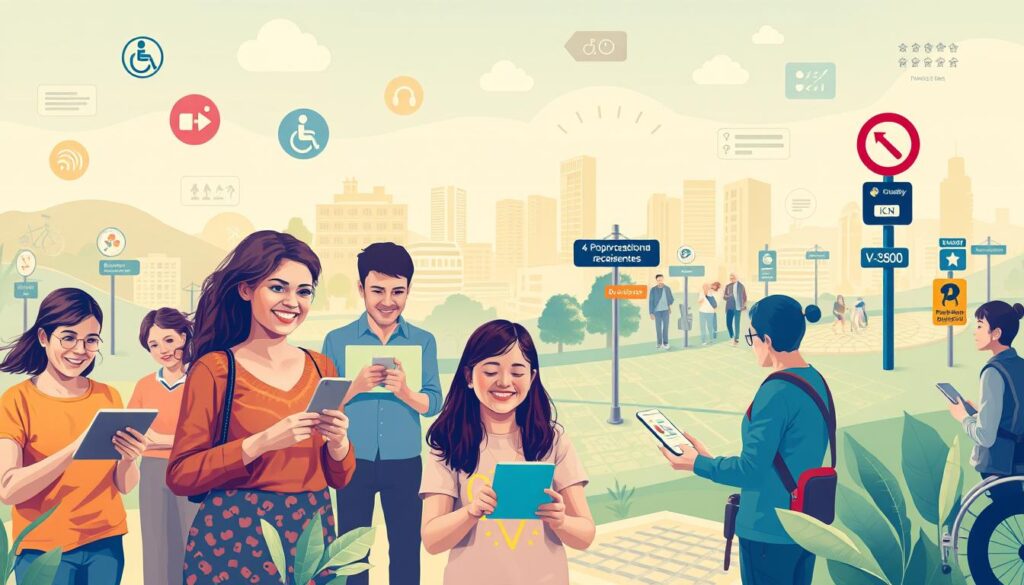
Escola Sem Acessibilidade is a pressing issue that directly affects the educational landscape for students with disabilities. Accessibility in schools is not merely a legal requirement; it is a moral obligation. Ensuring that all students have equal access to quality education is essential to building an inclusive society. In this article, we will explore the current state of access in educational institutions, the challenges faced by students with disabilities, and the impactful changes needed to create a more inclusive environment.
Understanding Accessibility in Schools
Accessibility in schools encompasses a wide range of factors, from physical infrastructure to instructional methods and materials. It is about removing barriers that prevent students—especially those with disabilities—from participating fully in the educational experience. The importance of accessibility cannot be overstated; studies show that inclusive education improves learning outcomes not only for students with disabilities but for all students.
The Legal Framework
In many countries, the right to accessible education is protected by law. For example, the Individuals with Disabilities Education Act (IDEA) in the United States mandates that students with disabilities receive a free and appropriate public education in the least restrictive environment. Similarly, the Americans with Disabilities Act (ADA) prohibits discrimination against individuals with disabilities, ensuring they have equal access to educational opportunities.
However, the implementation of these laws often falls short due to various factors, including inadequate funding, lack of awareness, and institutional inertia. Schools may have the legal framework in place, but there is still a significant gap between policy and practice.
Current Challenges in Addressing Accessibility
Physical Barriers
Many schools remain physically inaccessible to students with mobility impairments. This includes inadequate ramps, elevators, and accessible restrooms. Even when facilities are equipped with accessibility features, they may not be maintained properly, undermining their utility.
Inadequate Training for Staff
Educators play a crucial role in fostering an inclusive classroom environment. However, many teachers receive insufficient training in special education and inclusive practices. This lack of preparation can lead to misunderstandings about how to effectively support students with diverse needs.
Insufficient Curriculum Adaptations
The traditional curriculum often fails to accommodate various learning styles and abilities. For instance, students with visual impairments may find it challenging to engage with standard textbooks that lack braille or digital formats. Similarly, students with learning disabilities may struggle with rigid assessment methods that do not allow for alternative demonstration of knowledge.
Social Barriers
In addition to physical and academic challenges, social barriers can also inhibit students with disabilities from fully engaging in school life. Bullying, stigma, and lack of understanding from peers can contribute to feelings of isolation. Fostering an inclusive culture requires ongoing efforts to educate the entire school community about diversity, equity, and acceptance.
The Impact of Accessibility Shortcomings
The absence of accessibility can have a devastating impact on students with disabilities. They are more likely to experience lower academic achievement, higher dropout rates, and increased frustration and anxiety. Furthermore, they may miss out on essential social experiences that contribute to personal development.
Academic Performance
Studies indicate that students who attend inclusive schools perform better academically compared to their peers in segregated settings. Inaccessible environments limit participation in class discussions, group work, and extracurricular activities, all of which are critical for skill development.
Emotional Well-being
Feeling marginalized can lead to mental health issues such as depression and anxiety. The struggle for acceptance and the daily challenges faced in an inaccessible school can take a toll on students’ self-esteem. Schools must prioritize the emotional and psychological well-being of all students to ensure a holistic education.
Long-term Consequences
The implications of a lack of accessibility extend beyond school years. Students who do not receive adequate support may face obstacles in higher education and employment, perpetuating a cycle of disadvantage. Society at large also suffers, as it misses out on the contributions and potential of individuals with disabilities.
Impactful Changes Needed Now
Comprehensive Accessibility Audits
To address the shortcomings of accessibility in schools, comprehensive audits are essential. These audits should evaluate physical spaces, instructional materials, and existing support systems. By identifying gaps, schools can prioritize improvements and allocate resources effectively.
Inclusive Policy Development
Schools should develop and implement inclusive policies that prioritize accessibility at all levels. This involves engaging stakeholders, including students with disabilities, parents, educators, and disability advocates, in the policy-making process. These policies should reflect the diverse needs of the student body and outline specific actions to foster inclusivity.
Training for Educators
Investing in training programs for educators is crucial. This includes professional development that focuses on inclusive teaching strategies, understanding individual learning needs, and implementing Universal Design for Learning (UDL) principles. Equipped with the right knowledge, teachers can create an environment where all students thrive.
Curriculum Revisions
Curriculum revisions should be guided by the principles of flexibility and adaptability. Schools must explore alternative teaching methods and assessment strategies that cater to diverse learning styles. Incorporating technology, such as digital textbooks and assistive devices, can also help make learning materials more accessible.
Cultivating an Inclusive School Culture
An inclusive school culture is essential for encouraging acceptance and understanding among students. Schools should implement programs that promote diversity, equity, and inclusion. Activities, workshops, and peer mentorship programs can positively influence students’ attitudes and enhance social cohesion.
Collaborating with Community Organizations
Schools can benefit from collaborating with community organizations and disability advocacy groups. These partnerships can provide additional resources, support, and expertise in accessibility issues. Community engagement can foster a sense of belonging and create opportunities for experiential learning.
Involving Families in the Process
Families play a vital role in supporting their children’s educational journeys. Schools should actively involve parents in discussions about accessibility and inclusivity. This collaboration can lead to better communication, enhanced trust, and, ultimately, improved outcomes for students with disabilities.
Case Studies of Effective Change
Progressive Schools Leading the Way
Some educational institutions have successfully implemented practices that prioritize accessibility. Schools that have integrated well-designed inclusive practices offer valuable case studies from which others can learn.
Example: The Inclusive School Network
One model that has successfully addressed accessibility issues is the Inclusive School Network, where various schools collaborate to share best practices for inclusivity. The network emphasizes the use of Universal Design for Learning (UDL) principles to meet the needs of diverse learners. Teachers participate in regular workshops, and resources are shared to ensure that no student is left behind.
Example: Community-Led Initiatives
Another example is community-led initiatives that focus on renovating public schools to meet accessibility standards. In one locality, a grassroots movement successfully raised awareness and funds for upgrading school facilities, resulting in accessible entrances, bathrooms, and designated spaces for support staff.
Learning from Success Stories
By analyzing the successes of these and other initiatives, schools can identify key elements that contribute to effective change. Positive leadership, stakeholder engagement, and community investment are critical components that foster a climate of accountability and continuous improvement.
The Role of Technology in Accessibility
Assistive Technologies
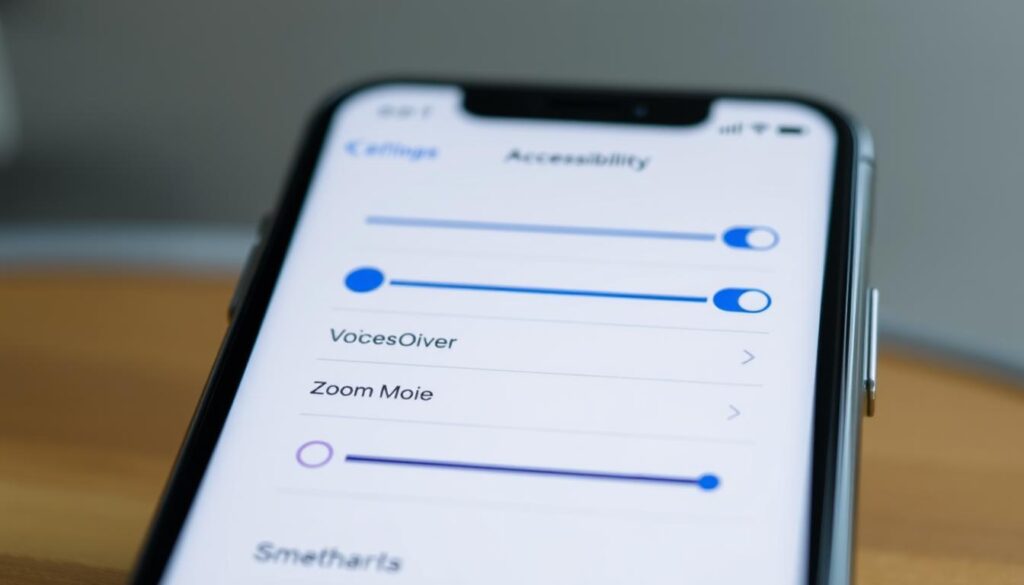
Modern technology offers various tools that can facilitate accessibility in education. Assistive technologies—such as speech-to-text software, screen readers, and audiobooks—help remove barriers for students with disabilities. As technology continues to evolve, schools must stay informed about emerging tools and resources that can enhance learning experiences.
Online Learning Platforms
The rise of online learning platforms offers new opportunities for inclusivity. These platforms can be designed with (Incomplete: max_output_tokens)