- Understanding Accessibility
- What is Accessibility?
- The Significance of Accessibility
- Types of Accessibility
- Spatial Accessibility
- Digital Accessibility
- Communicational Accessibility
- The Legal Landscape
- Laws and Regulations
- Global Initiatives
- Building an Inclusive Culture
- Creativity in Accessibility
- Training and Awareness
- The Business Case for Accessibility
- Enhanced Brand Loyalty
- Expanding Market Reach
- Implementation Strategies
- Conducting Accessibility Audits
- Setting Goals and Priorities
- Collaboration with Experts
- Case Studies
- Success Stories
- Lessons Learned
- Conclusion
Sem Acessibilidade: A Must-Have Guide to Inclusion
Sem Acessibilidade is a term that resonates deeply in today’s world, where the pursuit of inclusive practices is more critical than ever. As society becomes increasingly aware of the barriers that marginalized individuals face, the necessity for accessibility—whether in public spaces, digital platforms, or through services—has surged to the forefront of discussion. This guide aims to provide a comprehensive understanding of what accessibility entails, why it matters, and how to implement it effectively.
Understanding Accessibility
What is Accessibility?
Accessibility refers to the design and implementation of products, services, and environments in a way that allows all individuals—regardless of their abilities or disabilities—to access and participate fully. This covers a broad spectrum, from physical environments such as buildings and public spaces to digital realms like websites and applications.
The Significance of Accessibility
The importance of accessibility cannot be overstated. It serves not only to comply with legal standards but also to enhance the quality of life for millions. Improving accessibility fosters inclusion, ensuring that everyone has equal opportunities for participation in society.
Statistics show that around 15% of the global population, or approximately 1 billion people, experience some form of disability. This number is projected to rise with aging populations and conditions that lead to mobility impairments. Understanding and addressing access issues means recognizing this vast demographic and catering to their unique needs.
Types of Accessibility
Spatial Accessibility
Spatial accessibility involves the physical environment, addressing architectural barriers that may prevent access. Key considerations in creating accessible spaces include:
– Entrances and Exits: Ramps, automatic doors, and adequate signage are crucial for individuals with mobility impairments.
– Restrooms: Accessible restrooms need to accommodate physical disabilities with features like grab bars and wider stalls.
– Public Transport: Buses and trains should be equipped with low-floor access and auditory announcements for visually impaired passengers.
Digital Accessibility
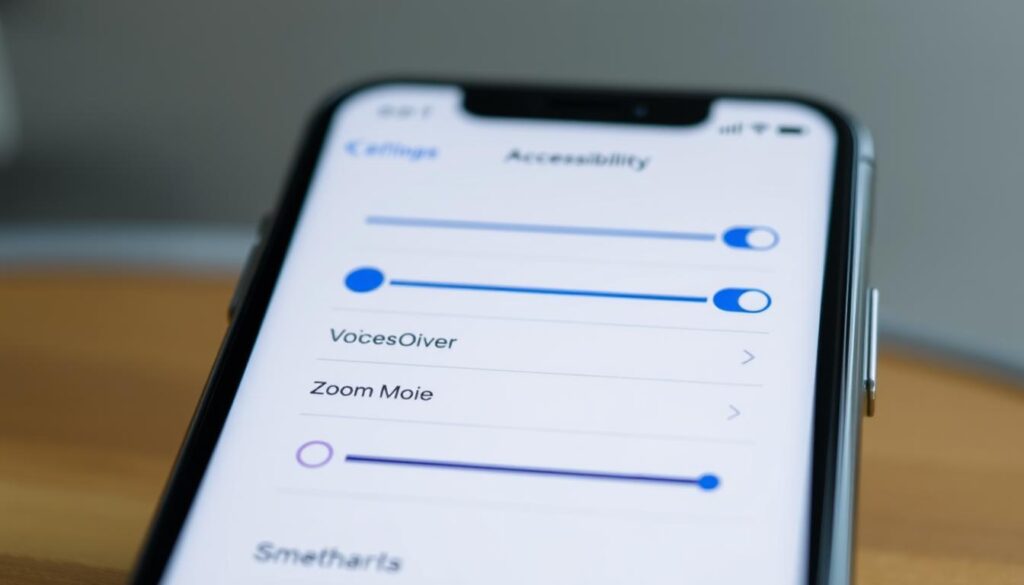
Digital accessibility is about making websites, applications, and online content available to everyone. This area is often overlooked but is incredibly impactful in today’s digital-first landscape. Key aspects include:
– Screen Readers: Websites should be compatible with screen reader technology to assist visually impaired users.
– Alt Text: Images should have descriptive alt text to convey information to those who cannot see them.
– Keyboard Navigation: All parts of a website should be navigable via a keyboard to accommodate users with motor disabilities.
Communicational Accessibility
Communicational accessibility ensures that information is relayed clearly and effectively to individuals with varying communication abilities. Important factors include:
– Sign Language Interpretation: Providing interpreters at events and in educational settings for the deaf community.
– Easy-to-Read Materials: Simplifying language and formatting makes information accessible for individuals with cognitive disabilities.
The Legal Landscape
Laws and Regulations
In many countries, laws govern the requirement for accessibility. The Americans with Disabilities Act (ADA) in the United States, for instance, mandates accessibility standards for public spaces and services. Similarly, the Equality Act in the UK prohibits discrimination based on disability and requires reasonable adjustments to be made.
Global Initiatives
Globally, the United Nations has instituted agreements like the Convention on the Rights of Persons with Disabilities (CRPD), emphasizing the need for inclusive practices. These initiatives encourage countries to implement accessibility measures, fostering an environment where all individuals can thrive.
Building an Inclusive Culture
Creativity in Accessibility
To cultivate an inclusive culture, organizations must be creative in developing accessibility strategies. This means thinking outside the typical approaches and exploring innovative solutions. Here are some ideas:
– Universal Design: This concept advocates for creating products and environments that are usable by all people, without the need for adaptation. It emphasizes seamless integration, making accessibility a fundamental aspect rather than an add-on.
– Community Involvement: Actively engaging individuals with disabilities in the design process can yield invaluable insights. Their experiences can guide organizations in creating more effective solutions.
Training and Awareness
Raising awareness about accessibility within an organization is crucial. Training sessions can help employees understand the importance of accessibility and their role in promoting it. Here are some recommendations:
– Workshops: Organize sessions that provide insights into the barriers faced by people with disabilities and effective ways to address them.
– Resource Materials: Distribute guides, articles, and resources outlining best practices for accessibility and inclusion.
The Business Case for Accessibility
Enhanced Brand Loyalty
Accessibility is not just a complement to social responsibility; it makes business sense. Customers are more likely to engage with brands that prioritize inclusion. A commitment to accessibility can create a loyal customer base, with individuals often preferring to support businesses that respect and cater to their needs.
Expanding Market Reach
By embracing accessibility, organizations can tap into new markets and opportunities. Individuals with disabilities and their families represent a significant economic force. Failing to address accessibility can mean missing out on this valuable customer segment, leading to lost revenue and growth opportunities.
Implementation Strategies
Conducting Accessibility Audits
A crucial first step toward improving accessibility is conducting a thorough audit. This involves evaluating existing practices, spaces, and technologies to identify barriers. Key steps include:
1. Gather Feedback: Involve employees, customers, and community members in providing feedback on their experiences with accessibility.
2. Evaluate Existing Tools: Assess current digital tools and physical spaces for compliance with accessibility standards.
3. Document Findings: Clearly outline the barriers identified and propose potential solutions.
Setting Goals and Priorities
Establishing clear, measurable goals helps organizations prioritize their accessibility initiatives. Consider the following strategies:
– Short-Term Goals: Implement immediate fixes for glaring accessibility barriers, such as ensuring basic wheelchair access to physical locations.
– Long-Term Goals: Develop a strategic plan for enhancing overall accessibility in the coming years, including digital platforms.
Collaboration with Experts
Partnering with accessibility experts can amplify efforts to create more inclusive environments. These specialists can provide valuable insights and resources, ensuring that strategies are effective and in line with best practices.
Case Studies
Success Stories
To illustrate the impact of accessibility initiatives, examining successful case studies can be enlightening:
– Apple: Through its commitment to accessibility, Apple has integrated features like VoiceOver and AssistiveTouch, making their products accessible to individuals with various disabilities.
– Starbucks: Starbucks has made several adjustments to its physical stores and digital platforms, ensuring that everyone can enjoy its services—from providing braille menus to offering mobility-accessible locations.
Lessons Learned
While progress has been made, it is essential to learn from setbacks and challenges faced by organizations in their accessibility journeys. Not every initiative will succeed, but understanding what went wrong can provide direction for future efforts.
Conclusion
Sem Acessibilidade serves as a reminder of the ongoing need for inclusion in our societies. By understanding the principles of accessibility, businesses and organizations can foster environments where everyone is welcomed and valued. Accessibility is not simply a legal requirement or a trend; it is a moral imperative that requires ongoing commitment from all sectors.
Whether through enhancing physical spaces, improving digital experiences, or fostering a culture of inclusion, every effort counts. As we move forward, embracing accessibility and promoting inclusive practices will ensure that no one is left behind. It is an ongoing journey that needs dedication, innovation, and community collaboration (Incomplete: max_output_tokens)